
How to Choose the Right Mixing Glass for Your Bar: A Comprehensive Guide
Introduction to Mixing Glasses
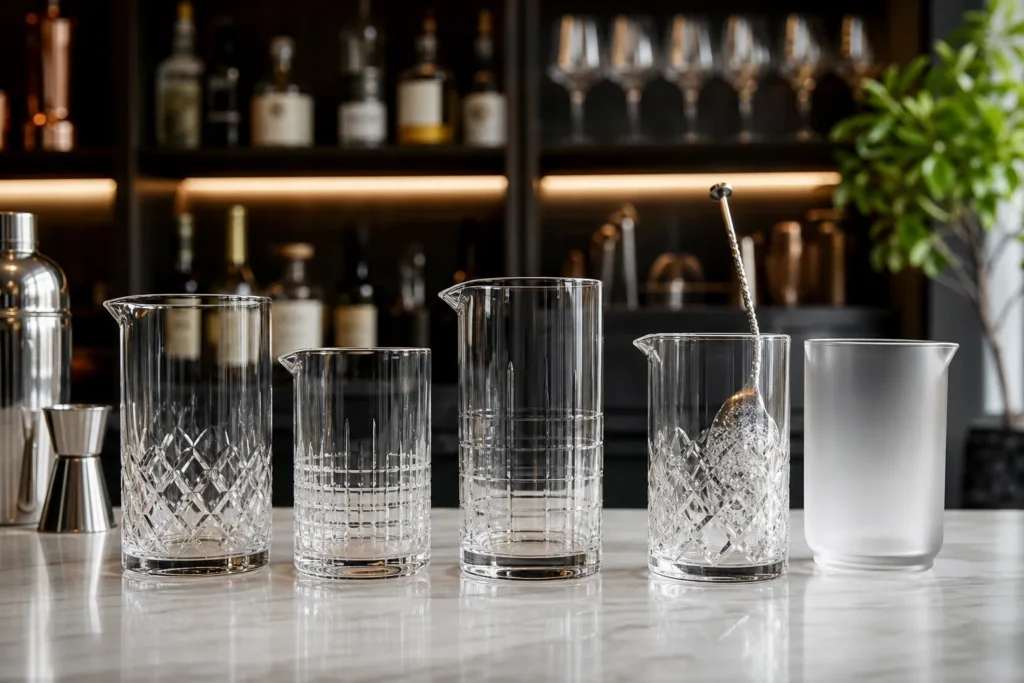
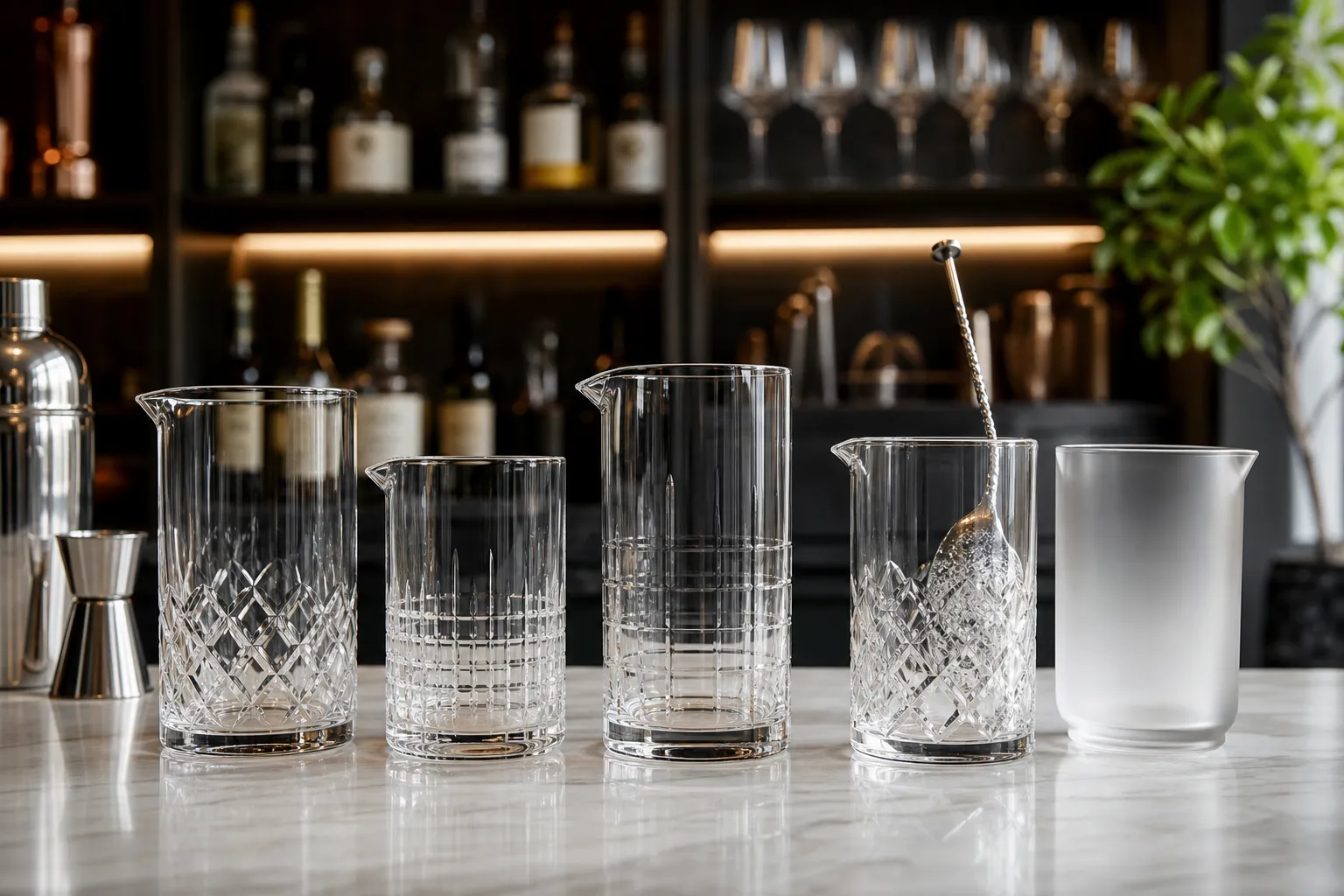
In the world of bartending, the mixing glass stands as a fundamental piece of equipment that significantly influences the quality and presentation of cocktails. A well-chosen mixing glass not only enhances the bartender’s efficiency but also elevates the overall drinking experience for patrons. Mixing glasses come in various types, each designed to cater to different styles of cocktail preparation. Understanding these options is essential for any bar looking to refine its beverage offerings.
Key Specifications to Consider
When selecting a mixing glass, several key specifications should be considered to ensure it meets your bar’s needs:
– **Material Types**: Mixing glasses are commonly made from glass or crystal, each offering distinct advantages. Glass provides clarity and weight, which can enhance the mixing process. Crystal, while often more expensive, adds a touch of elegance and is less likely to chip. Additionally, stainless steel mixing glasses are available, providing durability and a modern aesthetic.
– **Size and Capacity**: The size of the mixing glass is crucial, as it should accommodate the volume of cocktails typically prepared. Standard mixing glasses range from 12 to 20 ounces. For bars that focus on larger batches or complex cocktails, a larger capacity may be advantageous.
– **Shape and Design**: The shape of the mixing glass affects the ease of stirring and the overall presentation. Traditional mixing glasses are usually tall and cylindrical, allowing for efficient stirring. However, contemporary designs may feature unique shapes that can appeal to a modern clientele.
Use Cases for Mixing Glasses
Mixing glasses serve various purposes in a bar setting, making them versatile tools for bartenders:
– **Classic Cocktails**: For timeless drinks like Manhattans and Martinis, a traditional mixing glass is essential. Its design allows for proper dilution and chilling, resulting in a perfectly balanced cocktail.
– **Modern Mixology**: As bartenders experiment with new ingredients and techniques, the mixing glass plays a pivotal role. Its versatility accommodates a range of ingredients, from fresh herbs to artisanal bitters.
– **Specialty Drinks**: Many bars pride themselves on signature cocktails that require precise mixing. A high-quality mixing glass can help ensure consistency in flavor and presentation, which is vital for customer satisfaction.
Comparing Different Mixing Glasses
When evaluating mixing glasses, it’s important to compare the available options:
– **Glass vs. Metal**: Glass mixing glasses are favored for their aesthetic appeal and ease of use, while metal options are more durable and often preferred in fast-paced environments. The choice between the two may depend on the bar’s theme and customer base.
– **Traditional vs. Contemporary Styles**: Traditional mixing glasses often feature a classic design, appealing to customers who appreciate vintage aesthetics. In contrast, contemporary styles may incorporate modern materials and unique shapes, attracting a trendier clientele.
– **Price Points and Value**: Mixing glasses can vary significantly in price. While it’s tempting to opt for the cheapest option, investing in higher-quality glasses can provide better durability and performance, ultimately delivering better value over time.
Sourcing Mixing Glasses
Finding the right supplier for your mixing glasses is crucial for maintaining quality and consistency in your bar:
– **Wholesale Suppliers**: Many bars benefit from establishing relationships with wholesale suppliers who can provide bulk purchasing options at competitive prices. This can be particularly advantageous for larger establishments.
– **Online Retailers**: E-commerce platforms offer a vast selection of mixing glasses, often with customer reviews that can guide your decision. Online shopping allows for easy comparison of prices and styles.
– **Local Distributors**: Supporting local businesses can foster community relationships and ensure quicker delivery times. Local distributors often have a curated selection of products suited to regional tastes.
Implementation in Your Bar
Once the right mixing glasses are sourced, proper implementation is key to maximizing their use:
– **Staff Training**: Ensure that bartenders are trained on how to use mixing glasses effectively. This includes techniques for stirring and pouring, as well as understanding the importance of glass selection for different cocktails.
– **Maintenance and Care**: Regular cleaning and proper storage of mixing glasses are essential to maintain their appearance and functionality. Establish a routine for washing and inspecting glasses to prevent any potential breakage.
– **Integration with Other Equipment**: Mixing glasses should complement other bartending equipment, such as shakers and strainers. Ensure that your staff understands how to use these tools in conjunction with mixing glasses for optimal results.
Frequently Asked Questions
– **How to Clean a Mixing Glass?**: Cleaning a mixing glass is straightforward; simply wash it with warm soapy water, rinse thoroughly, and allow it to air dry. Avoid using abrasive materials that could scratch the surface.
– **What Size Mixing Glass Do I Need?**: The size of the mixing glass should align with your bar’s cocktail offerings. A standard 16-ounce glass is versatile for most cocktails, but consider larger options for high-volume recipes.
– **Can I Use a Mixing Glass for Other Purposes?**: Absolutely! Mixing glasses can also be used for serving non-alcoholic beverages, such as iced teas or lemonades, making them a multifunctional addition to your bar equipment.
Conclusion
Choosing the right mixing glass for your bar is a critical decision that can enhance both the bartending process and the customer experience. By considering key specifications, understanding the various use cases, and sourcing from reputable suppliers, bars can equip themselves with the best bartending equipment available. Proper implementation and staff training will ensure that these essential tools are used to their fullest potential, ultimately contributing to the success of your beverage program.