
Introduction to Essential Bar Tools
In the fast-paced world of hospitality, having the right bar tools is crucial for delivering exceptional service and crafting memorable drinks. Quality bartending equipment not only enhances the efficiency of your bartenders but also plays a significant role in the overall customer experience. Whether you run a bustling nightclub or a cozy restaurant, understanding the essential bar tools will help streamline operations and ensure your staff is equipped to meet customer demands.
Must-Have Bar Tools for Every Restaurant
To ensure your bartenders can perform at their best, consider investing in the following must-have bar tools:
**Shakers and Strainers**
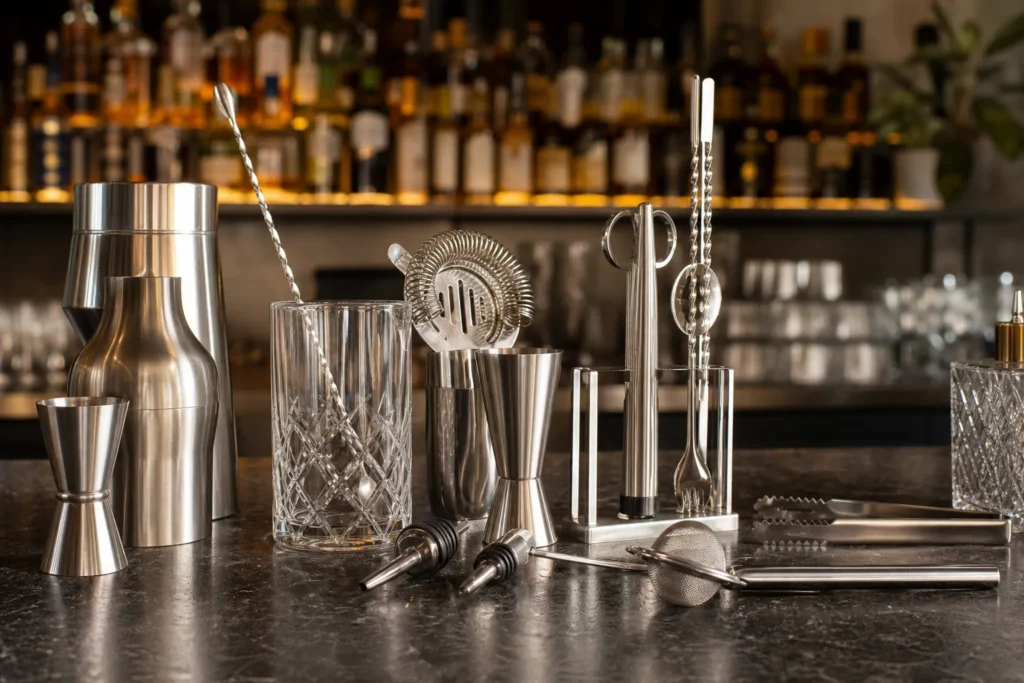
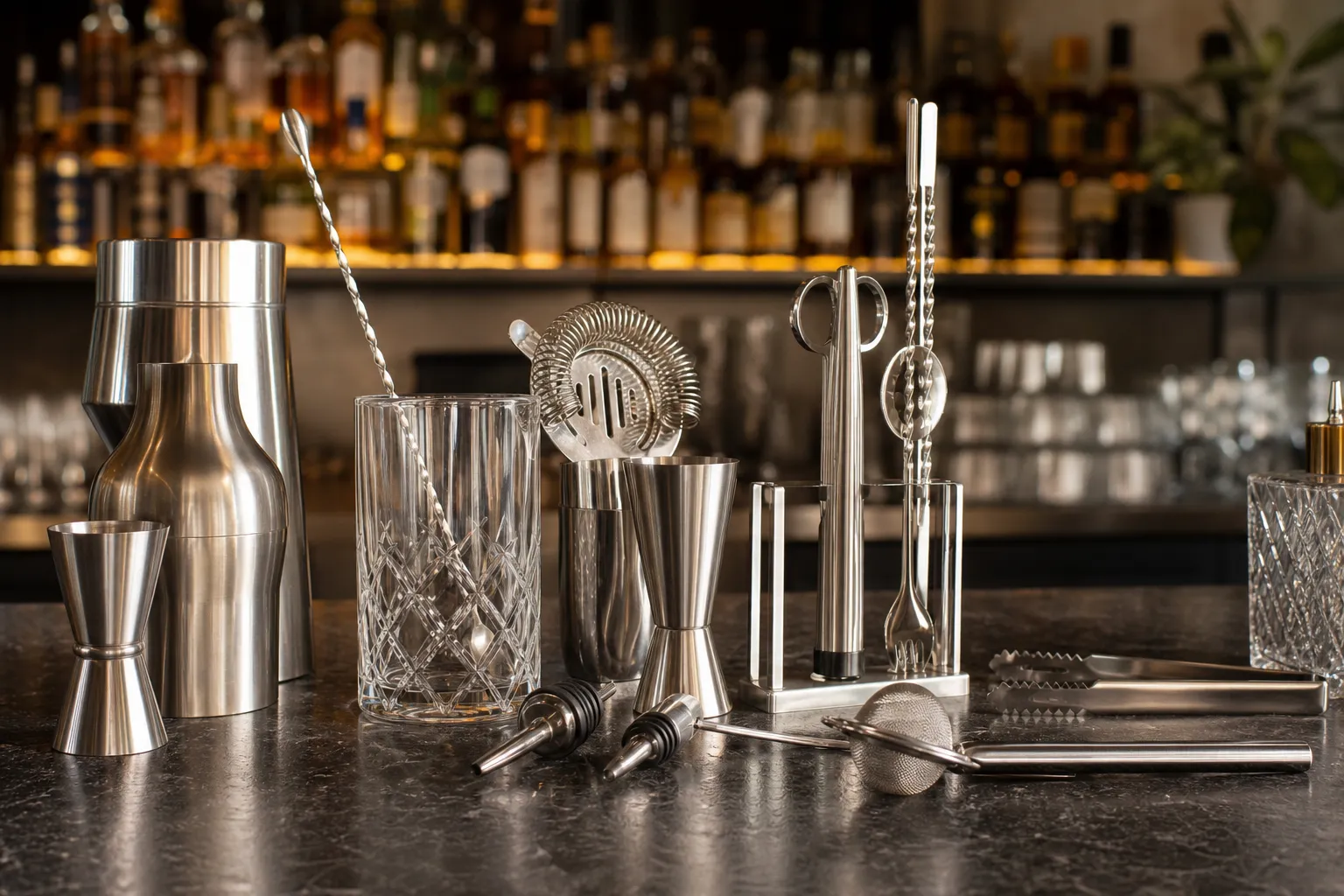
Shakers are indispensable for mixing cocktails, allowing bartenders to combine ingredients effectively. There are two main types: the Boston shaker, which consists of two pieces, and the cobbler shaker, which includes a built-in strainer. Strainers are equally important, as they help separate the liquid from ice and other solids, ensuring a smooth pour.
**Jiggers and Measuring Tools**
Precision is key in bartending, making jiggers essential for measuring spirits and mixers accurately. A standard jigger typically has two sides with different capacities, allowing bartenders to pour the right amounts quickly. Other measuring tools, such as pour spouts and measuring cups, can also enhance accuracy and efficiency.
**Bar Spoons and Muddler**
Bar spoons are designed for stirring and layering drinks, featuring a long handle that allows for deep mixing in tall glasses. A muddler is used to crush herbs and fruits, releasing their flavors into cocktails. Both tools are vital for creating high-quality drinks that showcase fresh ingredients.
Specifications of Popular Bartending Equipment
When selecting bartending equipment, consider the following specifications:
**Material Durability and Maintenance**
High-quality bar tools are often made from stainless steel, which is durable, resistant to rust, and easy to clean. Plastic options may be lighter but can wear down more quickly. Investing in durable materials will save costs in the long run.
**Size and Capacity Considerations**
Choose tools that fit the scale of your operations. For high-volume bars, larger shakers and jiggers may be necessary to accommodate faster service, while smaller tools may suffice for casual dining establishments.
**Ergonomics and User-Friendliness**
Bartending can be physically demanding, so ergonomically designed tools can make a significant difference. Look for tools that are comfortable to hold and easy to use, as this will help reduce fatigue among your staff.
Use Cases for Bar Tools in Different Settings
Understanding the context in which your bar tools will be used is essential:
**High-Volume Bars vs. Casual Dining**
In high-volume environments, speed and efficiency are paramount. Tools that allow for quick mixing and serving, such as dual-sided jiggers and larger shakers, are essential. In contrast, casual dining may prioritize presentation and flavor, allowing for more specialized tools.
**Specialty Cocktails and Craft Bartending**
For establishments focusing on craft cocktails, unique and high-quality tools are necessary. This includes specialized shakers, intricate strainers, and unique muddlers to create signature drinks that stand out.
**Events and Catering Services**
When catering events, versatility is key. Portable and multi-functional tools can help bartenders adapt to various drink orders efficiently, ensuring customer satisfaction at large gatherings.
Comparing Bar Tools: What to Look For
When investing in bar tools, consider the following factors:
**Price vs. Quality**
While budget is always a consideration, opting for higher-quality tools can lead to better performance and longevity. A balance between cost and quality will yield the best results for your restaurant.
**Brand Reputation and Reviews**
Researching brands and reading reviews can help you identify reliable products. Established brands often provide warranties and customer support, which can be invaluable.
**Versatility and Multi-Functionality**
Tools that serve multiple purposes can save space and reduce costs. For example, a shaker that doubles as a measuring cup can streamline your bar setup.
Sourcing Bar Tools for Your Restaurant
Finding the right suppliers is crucial for stocking your bar:
**Wholesale Suppliers vs. Retail Options**
Wholesale suppliers often provide better pricing for bulk purchases, making them ideal for restaurants looking to equip their bars efficiently. Retail options can be useful for smaller purchases or specialized items.
**Online vs. Local Purchasing**
Online purchasing can offer a wider selection and potentially lower prices, but local suppliers can provide immediate access and support. Consider a combination of both to meet your needs.
**Customization and Branding Opportunities**
Many suppliers offer customization options for bar tools, allowing you to brand items with your restaurant’s logo. This not only enhances your brand visibility but also adds a personal touch to your service.
Implementing Bar Tools in Your Workflow
To maximize the effectiveness of your bar tools, follow these tips:
**Training Staff on Equipment Use**
Proper training ensures that your staff is familiar with each tool, promoting efficiency and reducing the risk of accidents. Regular training sessions can keep skills sharp.
**Organizing Your Bar Setup**
A well-organized bar can significantly enhance workflow. Ensure that tools are easily accessible and arranged logically to minimize movement and time spent searching for equipment.
**Maintenance and Care Tips**
Regular cleaning and maintenance of bar tools are essential for longevity. Establish a routine for checking and cleaning equipment to ensure everything remains in top condition.
Frequently Asked Questions
**How to Choose the Right Bar Tools?**
Assess your restaurant’s specific needs, considering factors such as volume, type of cocktails served, and staff experience.
**What are the Essential Tools for Beginners?**
For beginners, a basic set should include a shaker, jigger, strainer, bar spoon, and muddler.
**How Often Should Bar Equipment Be Replaced?**
Regularly inspect your equipment for wear and tear. High-use items may need replacement every year or two, while others can last longer with proper care.
Conclusion
Equipping your restaurant with the right bartending equipment is a vital investment in operational efficiency and customer satisfaction. By understanding the essential bar tools, their specifications, and how to implement them effectively, you can elevate your bartending service and create an unforgettable experience for your guests. Prioritize quality, functionality, and proper training to ensure your bar staff is well-prepared to meet any challenge. For more information on bar tools and their specifications, you can refer to this industry reference from AZoM.